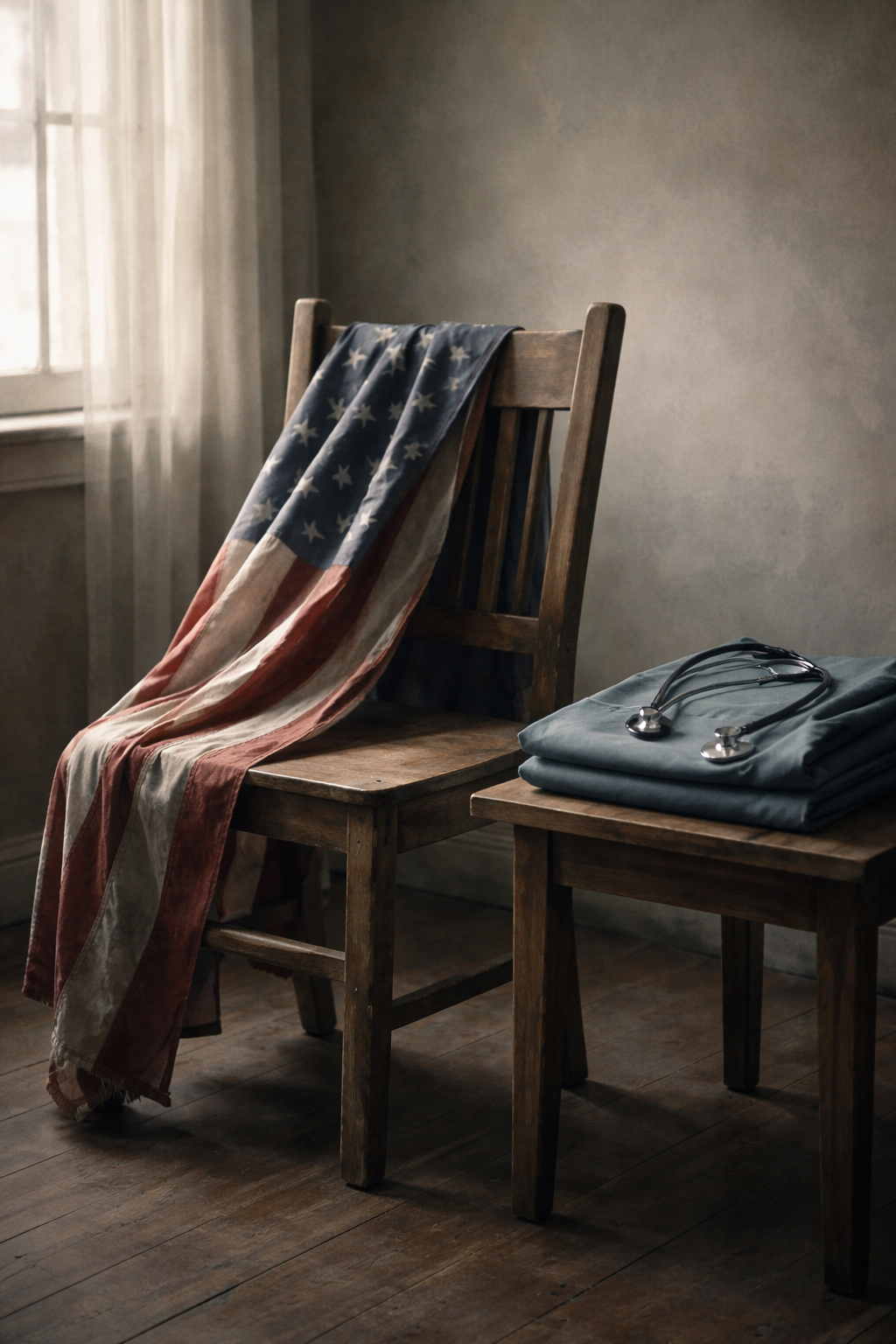
When Definitions become weapons.
Why Do We Use Definitions?
Are we seeking to establish meaning and context? Do we want to open possibilities and dialogue, or are we using definitions to shut down opportunities for others?
I raise this question because I’ve heard the term “patriot” being tossed around lately. When certain platforms or positions of power use that word, it seems to function as the highest compliment you can give an individual based on their behavior.
Here’s one definition: “A person who vigorously supports their country and is prepared to defend it against its enemies or detractors.”
When Japan attacked Pearl Harbor in 1941 and we went to war as a country, the enemy was clearly defined. Those who fought bravely and heroically were literally defending our country.
When terrorists attacked the Twin Towers and the Pentagon in 2001, those who tracked down, captured, and killed Osama Bin Laden were patriots responding to a clear threat against our country.
But when I watch a person pepper spray an ICU nurse for helping a woman up, and then watch that ICU nurse killed on the street in broad daylight in a major American city—and then hear the pepper sprayers and the restrainers of this ICU nurse called “patriots”—I ask myself: Why? How?
How is an ICU nurse helping a woman a threat to the country?
I heard later that the ICU nurse was armed and had come to massacre law enforcement. Yet we’ve seen actual people who carried out massacres handcuffed, taken to prison, and stood trial.
So who are we to believe is the patriot? The pepper sprayers? The men who held down an ICU nurse, threw repeated punches, and ultimately shot and killed a human being who was neutralized and could not carry out a threat—and who happened to have a gun?
What’s left is story. And story is powerful.
But today, a family is grieving. They’re mourning. They’re going to a morgue to identify a person they loved and cared for. They’re planning a memorial service.
That, to me, is a tragedy.
When we allow definitions to become weapons rather than bridges, when we use the language of heroism to avoid the weight of human loss—what are we defending, and what are we losing?
REFLECTION: I’m not asking you to pick a political side. I’m asking you to sit with the uncomfortable reality that someone’s family member isn’t coming home. Before we assign labels, perhaps we could simply acknowledge: a human life ended, and that matters